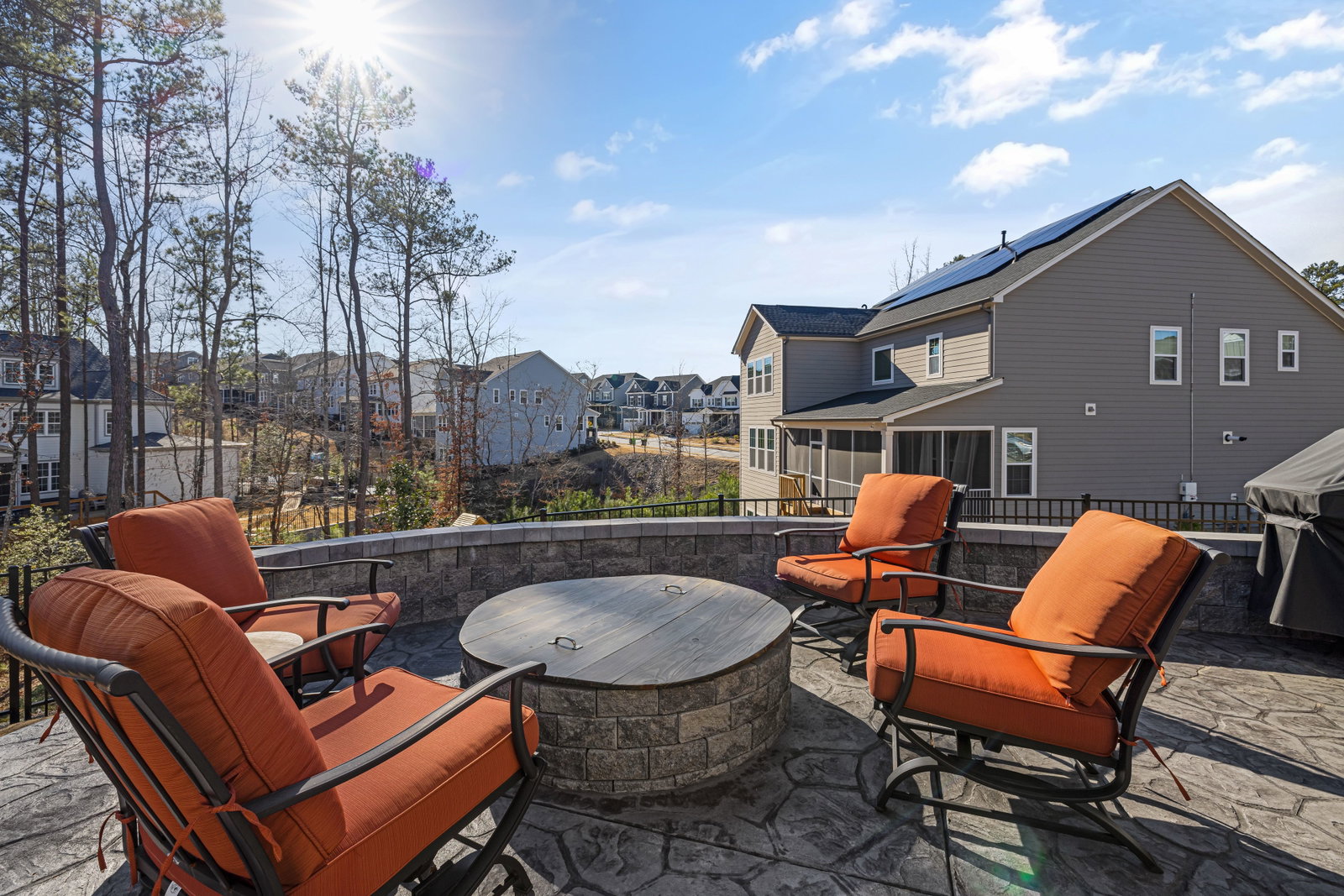
For many years, homes were primarily designed around indoor rooms, with outdoor areas often treated as separate spaces used occasionally. Today, this approach is changing as homeowners increasingly view outdoor areas as extensions of their living environments. Gardens, balconies, patios, terraces, and outdoor seating areas are becoming important parts of modern home design.
Outdoor living spaces are no longer limited to simple landscaping or decorative features. They are being designed as functional areas where people can relax, work, entertain guests, enjoy nature, and spend quality time with family. This shift reflects changing lifestyles and a growing interest in creating homes that offer comfort both indoors and outdoors.
Modern outdoor design focuses on creating a balance between nature, functionality, and personal style. Whether it is a large backyard or a small apartment balcony, thoughtful planning can help transform outdoor areas into useful parts of everyday living.
The Growing Importance of Outdoor Living
The idea of outdoor living has gained popularity as people look for more flexible spaces within their homes. As daily routines have changed, homeowners are exploring ways to use every available area more effectively.
Outdoor spaces can provide an additional environment for activities that might otherwise take place indoors. A terrace can become a relaxation area, a balcony can become a small garden, and a backyard can become a place for gatherings or hobbies.
This trend is also connected to the desire for closer connections with nature. Adding plants, natural materials, and open-air areas can create a different atmosphere compared to traditional indoor rooms.
Outdoor living spaces are not simply about adding more space; they are about creating environments that support different aspects of modern life.
Designing Functional Outdoor Areas
A successful outdoor living space is designed with purpose. Instead of treating outdoor areas as empty spaces, homeowners are increasingly planning them around specific activities and needs.
Modern outdoor designs often include:
-
Comfortable Seating Areas: Outdoor furniture such as sofas, chairs, and dining sets can create spaces for relaxation, conversations, and social gatherings. Weather-resistant materials help maintain durability while keeping the area comfortable.
-
Outdoor Dining Spaces: Many homeowners are creating outdoor dining areas where meals can be enjoyed in fresh air. These spaces may include tables, lighting, and cooking features designed for outdoor use.
-
Green Spaces and Gardens: Plants, vertical gardens, and small landscaping features can add natural elements to outdoor areas. Even limited spaces, such as balconies, can include greenery through carefully selected plants.
-
Flexible Multi-Purpose Zones: Outdoor spaces are increasingly designed to support different activities, such as reading, exercising, working, or entertaining guests.
The goal is to create outdoor environments that feel like natural extensions of the home rather than separate areas.
The Role of Nature in Outdoor Home Design
One of the biggest influences on outdoor living trends is the connection between homes and nature. Many modern designs focus on incorporating natural elements to create more relaxing environments.
Plants, water features, natural textures, and organic materials are commonly used in outdoor spaces. These elements can add visual interest while creating a stronger connection between the home and its surroundings.
For urban homes, outdoor areas such as balconies and terraces provide opportunities to introduce greenery even when traditional gardens are not possible. Container plants, small herb gardens, and vertical planting systems allow homeowners to bring nature into limited spaces.
The use of natural elements also influences design choices indoors, with many homes creating smoother transitions between interior and exterior areas through large windows, glass doors, and open layouts.
Technology and Modern Outdoor Spaces
Technology is becoming an important part of outdoor living design. Just as indoor spaces are becoming smarter, outdoor areas are also adopting connected solutions that improve convenience and comfort.
Smart outdoor features may include automated lighting, weather monitoring systems, outdoor entertainment setups, and security solutions. These technologies allow homeowners to manage outdoor environments more easily.
Examples include:
-
Smart Lighting: Outdoor lighting systems can help create different atmospheres while improving visibility and safety around pathways, gardens, and seating areas.
-
Weather-Based Solutions: Some outdoor systems can respond to environmental conditions, helping manage features such as shades, irrigation, or temperature control.
-
Outdoor Entertainment: Weather-resistant speakers and screens allow homeowners to create entertainment areas suitable for gatherings.
-
Smart Irrigation: Automated watering systems can help manage garden maintenance based on schedules or environmental conditions.
Technology in outdoor spaces is designed to support convenience while maintaining the natural appeal of the environment.
Small Outdoor Spaces and Creative Solutions
Outdoor living is not limited to large homes with extensive gardens. Apartments and smaller properties are also adopting creative approaches to make outdoor areas more useful.
Small balconies, compact terraces, and narrow outdoor spaces can be transformed through thoughtful design choices. The key is maximizing available space without making the area feel crowded.
Simple solutions include:
- Using vertical gardens to add greenery without taking up floor space.
- Choosing foldable or multifunctional furniture for flexibility.
- Adding lighting to create a comfortable atmosphere.
- Selecting plants and decorations suitable for the available environment.
Small outdoor areas can become valuable extensions of homes when designed according to the user’s needs.
Challenges of Creating Outdoor Living Spaces
Although outdoor living spaces offer many possibilities, they also require careful planning. Outdoor areas are exposed to changing weather conditions, so materials and designs need to be selected appropriately.
Maintenance is another important consideration. Plants, furniture, and outdoor features may require regular care to remain functional and attractive.
Homeowners should also consider factors such as available space, local climate, privacy needs, and budget before designing outdoor areas.
A practical outdoor space should balance appearance with everyday usability. A design that looks appealing but does not match the homeowner’s lifestyle may not provide long-term value.
The Future of Outdoor Living Design
As homes continue to evolve, outdoor spaces are expected to become even more integrated into everyday living. Future designs may focus on creating seamless connections between indoor and outdoor environments through flexible layouts, advanced materials, and improved technology.
Outdoor areas may increasingly serve multiple purposes, supporting relaxation, work, entertainment, and wellness activities. Designers are also likely to explore more sustainable approaches, such as native plants, environmentally friendly materials, and efficient resource management.
The future of outdoor living is not about creating larger spaces but about making existing spaces more meaningful and functional.
Conclusion: Expanding the Meaning of Home
Outdoor living spaces are changing the way people think about their homes. Areas once considered secondary are becoming valuable extensions of indoor environments, offering new opportunities for comfort, connection, and creativity.
From balconies and terraces to gardens and patios, outdoor spaces can be designed to match different lifestyles and needs. With thoughtful planning, technology, and a focus on functionality, homes can extend beyond walls and create more complete living experiences.