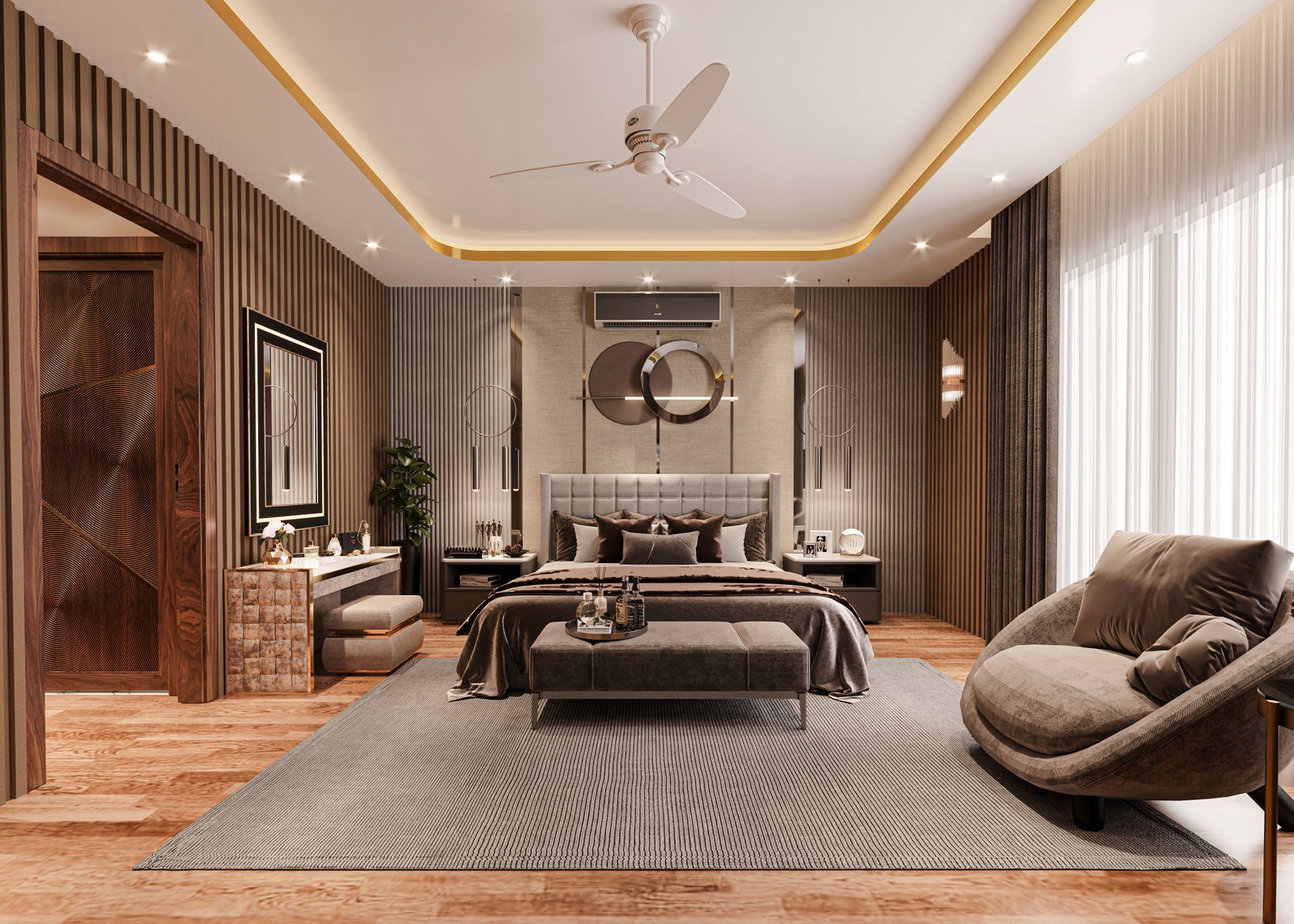
A home is more than just a place to live. It is a space where people relax, work, spend time with family, and create everyday experiences. As lifestyles continue to change, home design is also evolving to focus on comfort, functionality, flexibility, and personal expression.
Modern home design is no longer only about appearance. While aesthetics remain important, homeowners are increasingly looking for spaces that support their daily routines. Features such as flexible layouts, smart technology, sustainable materials, and practical storage solutions are becoming important elements of contemporary interiors.
The latest design trends focus on creating homes that feel comfortable, organized, and adaptable while reflecting the unique needs of the people who live in them.
The Shift Toward Functional Home Design
Traditional home design often focused on creating separate rooms for specific purposes. Modern lifestyles, however, have encouraged more flexible approaches to space planning. Many homes now combine different functions within the same area, allowing rooms to adapt to changing needs.
For example, a living room may also serve as a workspace, a dining area may become a study zone, and a guest room may include storage or office features. This approach helps homeowners make better use of available space.
Modern design emphasizes the idea that every part of a home should serve a purpose. Instead of filling spaces with unnecessary items, many homeowners are choosing layouts that support comfort, movement, and everyday activities.
Key Modern Home Design Trends
Modern interiors are influenced by changing lifestyles, technology, and a growing focus on creating practical environments. Designers and homeowners are exploring new ways to combine beauty with functionality.
Some important trends shaping modern homes include:
-
Flexible and Multifunctional Spaces: Homes are increasingly designed with adaptable areas that can serve multiple purposes. Movable furniture, open layouts, and convertible spaces allow rooms to change according to different needs, such as working from home, entertaining guests, or relaxing.
-
Natural Materials and Biophilic Design: Many modern homes incorporate natural elements such as wood, stone, plants, and natural textures. Bringing outdoor-inspired elements indoors can create a calmer atmosphere and connect living spaces with nature.
-
Minimalist and Organized Interiors: Minimalist design focuses on simplicity, clean layouts, and purposeful decoration. Instead of overcrowded spaces, homeowners are choosing organized interiors with practical storage solutions and carefully selected furniture.
-
Smart Home Integration: Technology is becoming part of modern design through connected lighting, smart appliances, security systems, and automated controls. These features can improve convenience while blending into the overall design of a home.
These trends show how modern design combines visual appeal with practical living requirements.
Creating Comfortable Living Spaces
Comfort has become one of the most important priorities in modern home design. A beautiful home is not only about how it looks but also about how it feels to live in every day.
Comfort-focused design considers factors such as lighting, furniture choices, room layouts, and personal preferences. Soft textures, ergonomic furniture, and thoughtful arrangements can create spaces that feel welcoming and functional.
Modern homeowners are also paying more attention to creating areas dedicated to relaxation. Reading corners, cozy seating areas, home gardens, and peaceful bedrooms are becoming common features in contemporary homes.
The focus is shifting from designing homes only for appearance toward creating environments that support everyday well-being.
Technology and the Modern Home
Technology has become an important part of contemporary living spaces. Smart home features are increasingly being included in home designs to improve convenience and control.
Modern technology-driven design can include:
-
Smart Lighting Systems: Connected lighting allows homeowners to adjust brightness, create schedules, and customize lighting environments according to different activities.
-
Home Automation: Smart devices can help manage household functions such as temperature settings, entertainment systems, and security features.
-
Energy Monitoring Tools: Some connected devices provide information about energy usage, helping homeowners understand how their homes operate.
-
Integrated Entertainment Systems: Modern homes often include technology solutions that create better entertainment experiences while maintaining clean and organized designs.
The key challenge is ensuring that technology supports the home environment rather than making spaces feel complicated or overly dependent on devices.
Sustainable and Eco-Friendly Design Approaches
Sustainability has become an important consideration in modern home design. Many homeowners are exploring ways to create spaces that use resources more thoughtfully and reduce unnecessary waste.
Sustainable design can involve choosing durable materials, improving natural lighting, managing energy use, and incorporating environmentally responsible products.
Some popular sustainable design approaches include:
-
Energy-Efficient Features: Modern homes may include efficient lighting, improved insulation, and technology that helps manage energy consumption.
-
Natural Ventilation and Lighting: Designs that maximize airflow and natural light can create comfortable environments while reducing dependence on artificial systems.
-
Long-Lasting Materials: Choosing durable materials can help reduce the need for frequent replacements.
-
Indoor Green Spaces: Plants and indoor gardens are being used to introduce natural elements into living environments.
Sustainable design is not about following one specific style. It is about making thoughtful choices that suit the home and lifestyle.
The Importance of Personal Style in Modern Homes
While design trends influence modern interiors, personal expression remains an important part of creating a meaningful home. A well-designed space should reflect the personality, habits, and preferences of the people living there.
Some homeowners prefer clean minimalist interiors, while others enjoy colorful designs, traditional elements, or artistic decorations. Modern design allows flexibility by combining different styles and creating spaces that feel unique.
Personal touches such as photographs, artwork, collections, and customized furniture can make a home feel more connected to its residents.
Challenges in Modern Home Design
Although modern design trends provide many possibilities, creating a functional home requires careful planning. A design that looks attractive in pictures may not always work well for everyday life.
Important considerations include:
-
Space Planning: Furniture placement and room layouts should support comfortable movement and practical use.
-
Budget Management: Home improvements can vary widely in cost, so priorities should be planned carefully.
-
Long-Term Needs: Designs should consider future lifestyle changes and flexibility.
-
Balance Between Style and Function: A home should look appealing while remaining practical for daily activities.
Thoughtful planning helps create spaces that remain useful and comfortable over time.
The Future of Home Design
The future of home design is likely to focus on adaptability, technology, and personalized experiences. As lifestyles continue to change, homes will need to support different activities, from remote work and relaxation to entertainment and family life.
Future designs may include more flexible layouts, improved smart technology integration, and stronger connections between indoor and outdoor spaces.
However, the most important element of any home will remain the same: creating a space where people feel comfortable and connected.
Conclusion: Designing Homes for Modern Living
Modern home design is about creating spaces that balance comfort, beauty, and functionality. Today’s trends focus on flexible layouts, smart technology, sustainable choices, and personalized interiors that support everyday lifestyles.
A successful home design does not simply follow trends. It considers how people live, what they need, and how spaces can improve daily experiences. As homes continue to evolve, the focus will remain on creating environments that are practical, welcoming, and designed for the future.